Category: Lifestyle

  • Kardan Adamın Mevsimi

    English version

    Версия на Български

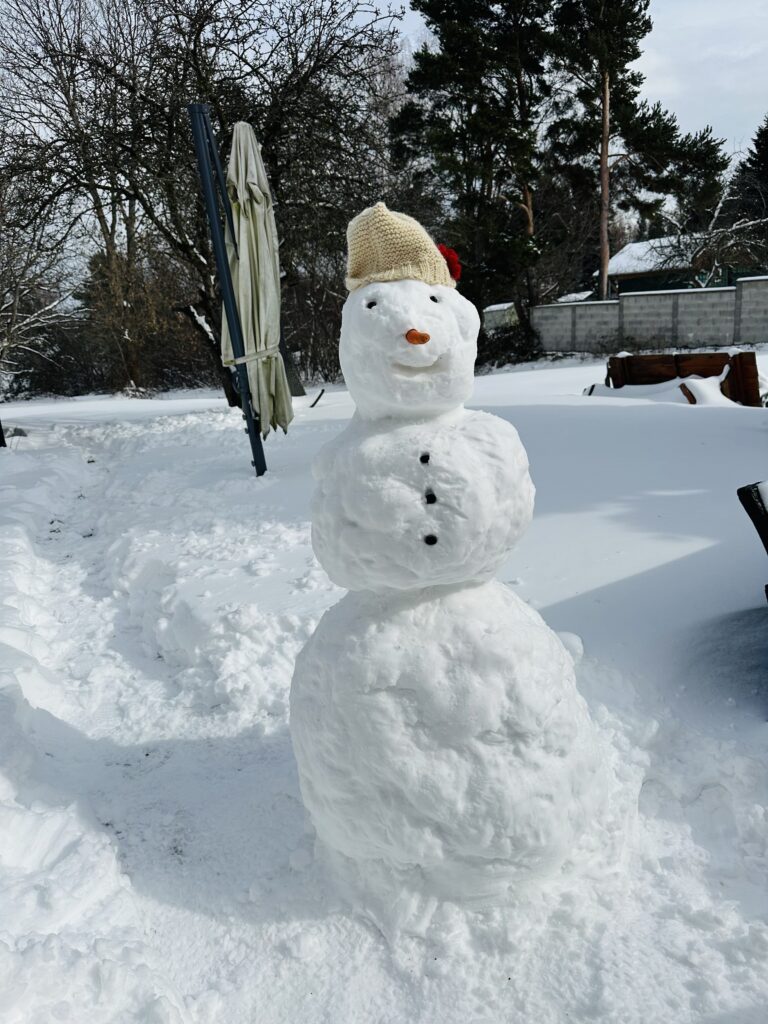
    Sabahın erken saatlerinde bahçeye ilk çıkan oydu. Kar gece boyunca sessizce yağmış, dünyayı beyaz bir sır gibi örtmüştü. Ayak izleri henüz kimseye ait değildi; kar, dokunulmamış bir sayfa gibiydi. Elindeki eldivenlerle ilk kar topunu yaptı. Yuvarladı, büyüttü, itti. Her adımda biraz daha ağırlaştı top; biraz daha şekil aldı.

    O sırada fark etmedi ama aslında sadece bir kardan adam yapmıyordu. İçindeki sessizliği, özlemi ve birine duyduğu kırgınlığı da yuvarlıyordu karla birlikte.

    Alt gövdeyi yaptıktan sonra ikinci katı yerleştirdi. Üçüncü, en küçük parçayı da dikkatle koydu üstüne. Bir an geri çekilip baktı. “İnsan gibi oldu,” dedi kendi kendine. Sanki birazdan konuşacakmış gibi.

    Eve girip havuç aldı. Burnu yerleştirirken istemsizce gülümsedi. Çekmeceden bulduğu eski düğmeleri gövdesine dizdi. Son olarak dolaptan krem rengi bir bere getirdi; yıllardır takmadığı, ama atmaya da kıyamadığı bir bere. Başına geçirdi. Kardan adam artık yalnız bir kar yığını değildi; bir hikâyesi varmış gibi duruyordu.

    Arkasındaki ağaçlar çıplaktı. Dallar, gökyüzüne doğru ince parmaklar gibi uzanıyor; sanki bir şey istiyor, ama ne olduğunu bilmiyordu. Bahçe sessizdi. O sessizlikte kardan adamın yüzüne baktı. Hafif eğri bir gülümsemesi vardı.

    “Ne kadar sürecek?” diye fısıldadı.

    Cevap gelmedi elbette. Ama cevap zaten belliydi. Güneş biraz daha yükseldiğinde, biraz daha ısıttığında, biraz daha yaklaştığında… erime başlayacaktı.

    Bir an içinden, “Keşke hiç erimese,” diye geçirdi. Sonra bunun mümkün olmadığını bildi. Hayatta hiçbir şey olduğu gibi kalmıyordu. Ne mevsimler, ne insanlar, ne de duygular.

    O gün öğleden sonra biri geldi bahçeye. Uzun zamandır görüşmediği biri. İkisi de önce kardan adama baktılar.

    “Güzel olmuş,” dedi gelen.

    “Geçici,” diye cevap verdi.

    Bir süre sustular. Aralarındaki mesafe, kar kadar soğuk ve beyazdı. Söylenmemiş sözler, yanlış anlaşılmış cümleler, yarım kalmış vedalar… Hepsi o bahçede, o kardan adamın gölgesinde duruyordu.

    “Eriyecek,” dedi gelen kişi.

    “Biliyorum.”

    “Yine de yaptın.”

    Başını hafifçe salladı. “Bazı şeyler eriyecek diye yapmaktan vazgeçilmiyor.”

    O an, kardan adamın aslında ikisinin ortasında durduğunu fark ettiler. Üç katlı bedeniyle sanki şunu söylüyordu: İnsan katman katmandır. En altta ağırlık, ortada kırılganlık, en üstte umut vardır. Eğer bu üçü dengede durmazsa, ilk sıcaklıkta dağılır.

    Güneş akşama doğru biraz daha yumuşadı. Karın yüzeyi hafifçe parlamaya başladı. Kardan adamın burnunun altından ince bir su damlası süzüldü.

    İkisi de izledi.

    O an kimse “Gitme” demedi. Kimse “Kal” demedi. Ama biri elini uzattı. Diğeri tereddüt etti. Sonra tuttu.

    Belki kardan adam ertesi gün biraz daha küçülecekti. Belki bere düşecekti. Belki düğmeler karın içine gömülecekti. Ama o gün, o bahçede, bir şey erimemişti.

    Bazen ilişkiler kardan adam gibidir: Geçici olduklarını bile bile inşa edilirler. Çünkü mesele sonsuza kadar kalmaları değil, bir mevsimi anlamlı kılmalarıdır.
    Ertesi sabah güneş yine doğdu. Kardan adam biraz daha küçülmüştü. Ama iki farklı ayak izi, artık bahçede yan yana uzanıyordu.

  • Sevgililer Günü

    English version

    Версия на Български

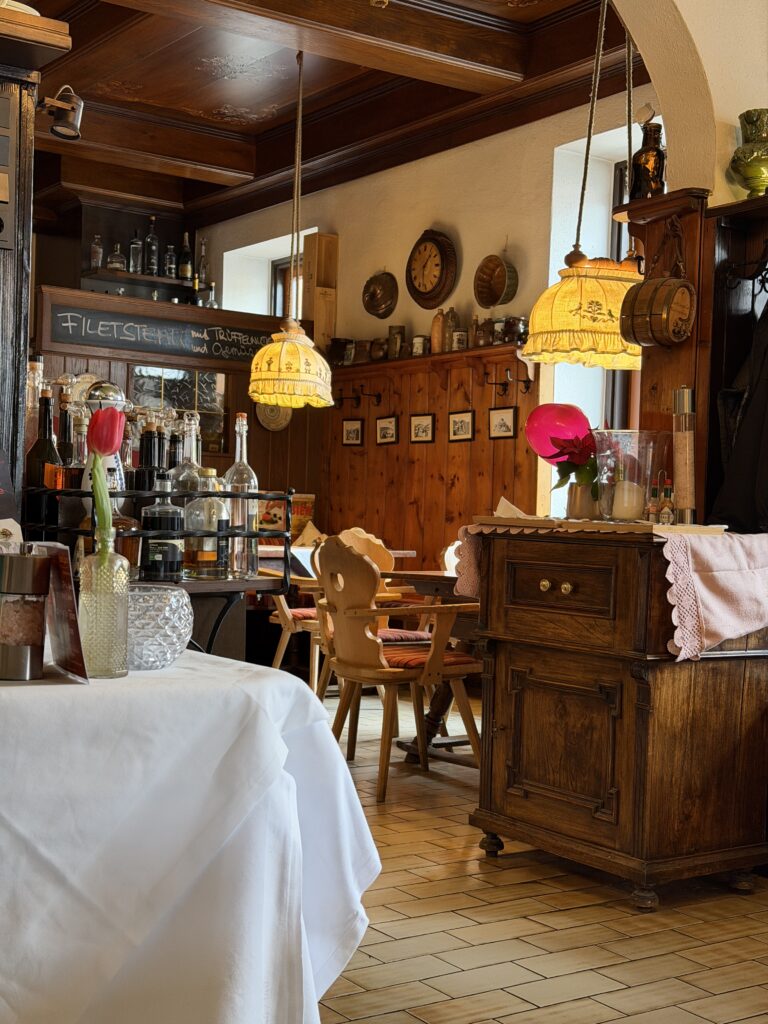
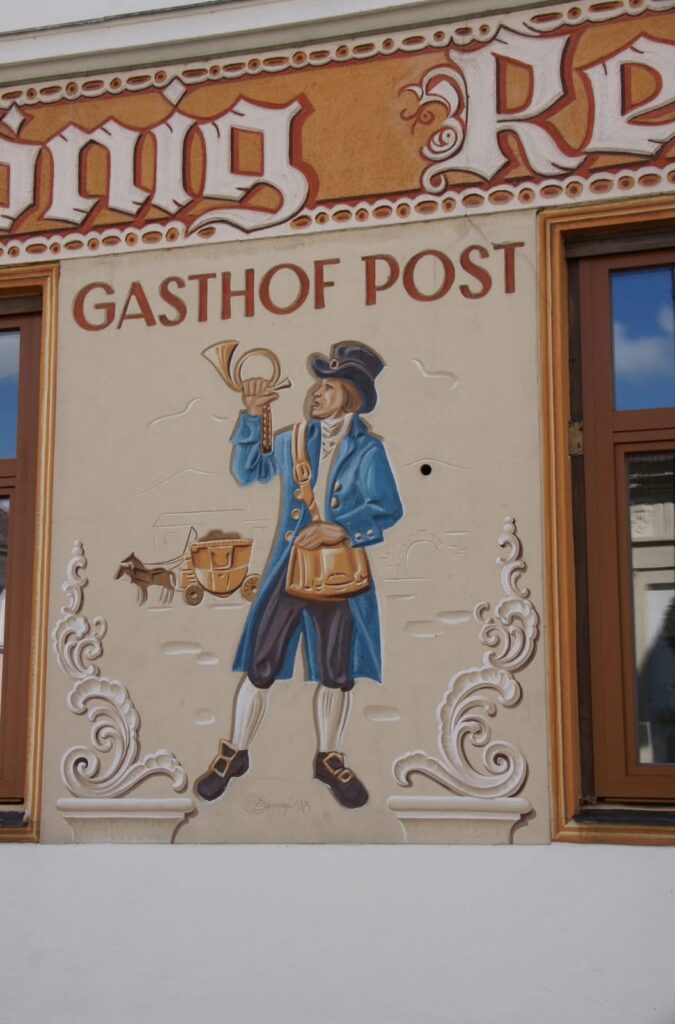
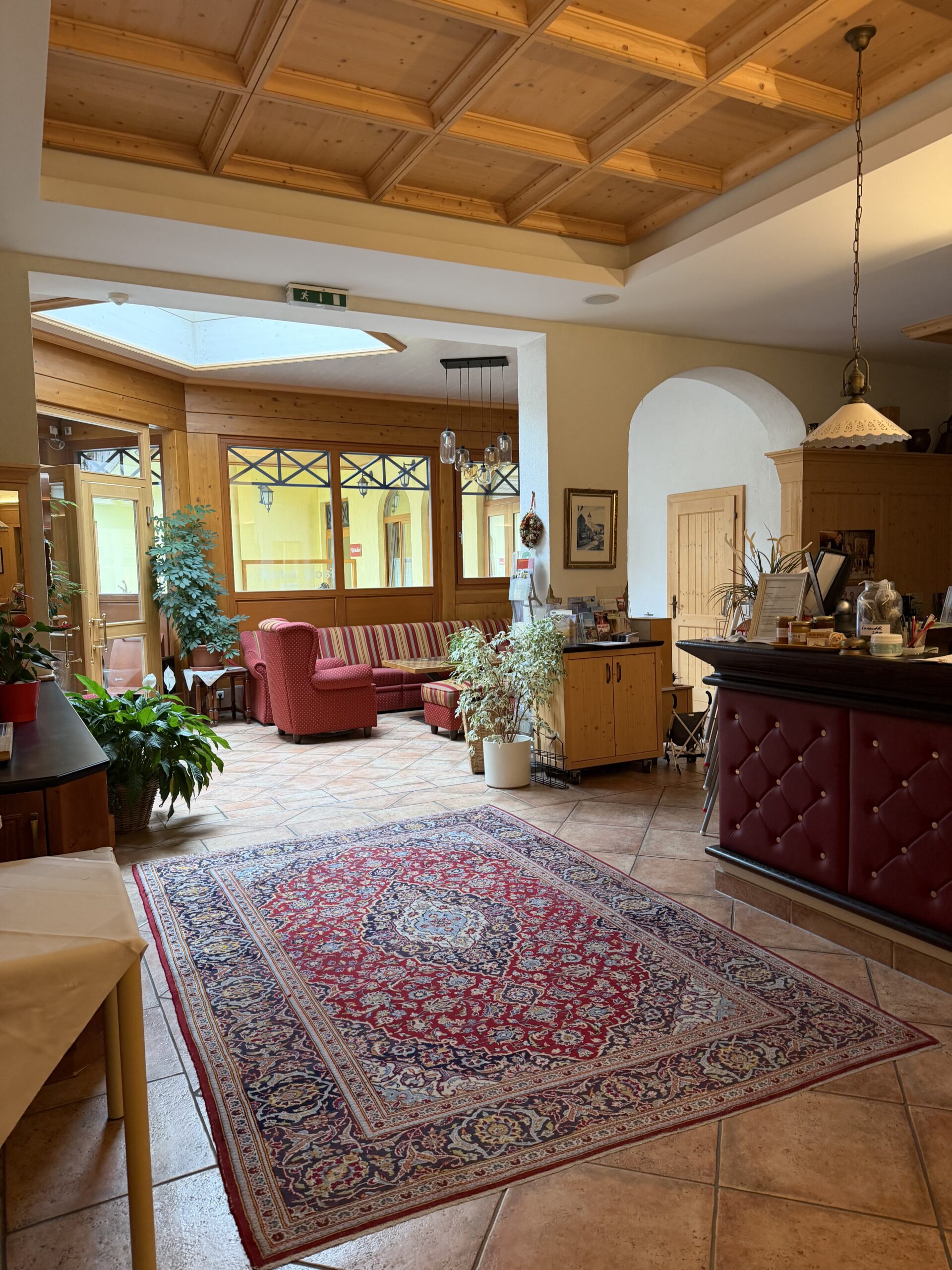
    Sevgililer Günü’nde öğle vaktiydi. Kış güneşi, küçük kasabanın taşlarına usulca değiyor; zaman, sanki yüzyıllardır aynı saatte durup yeniden başlıyordu. Kapısından içeri adım attığımız Hotel Post Hönigwirt, bizi beklemiyordu belki ama biz, onun hafızasına davetsiz misafir olmayı göze almıştık.

    Rezervasyonumuz yoktu. Buna rağmen orta yaşlı, yüzünde yılların nezaketini taşıyan bir garson, hafifçe eğilerek bizi masamıza buyur etti. Sanki sadece sandalyeyi değil, mekânın asırlık sükûnetini de çekip önümüze koydu. Masaya doğru yürürken, ayaklarımızın altındaki tahtalar hafifçe inledi; o ses, geçmişin kırılgan bir hatırası gibiydi.

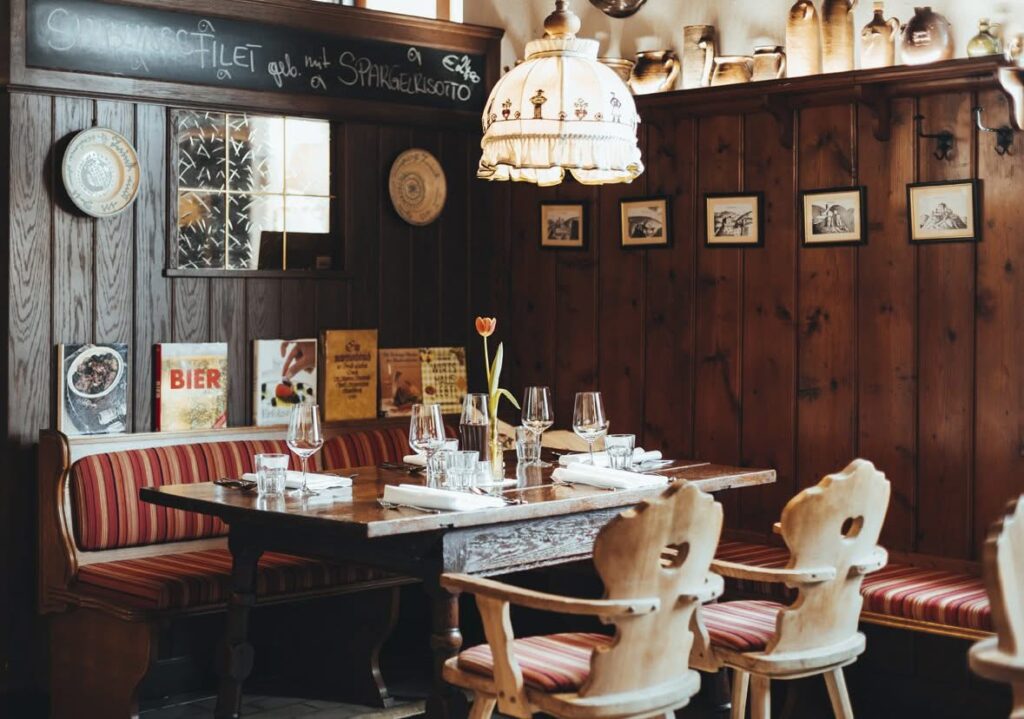
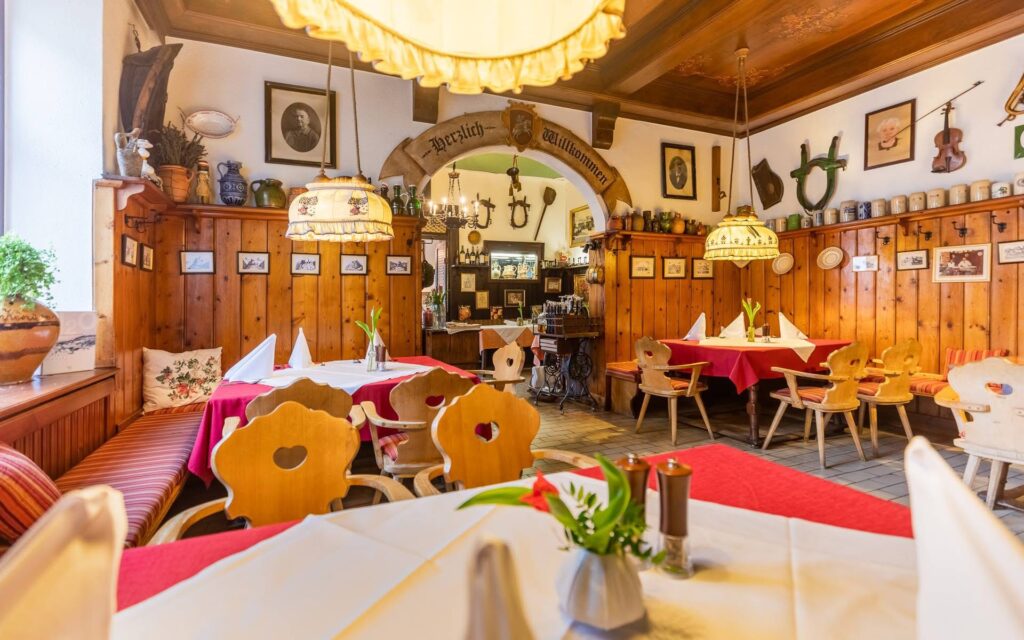
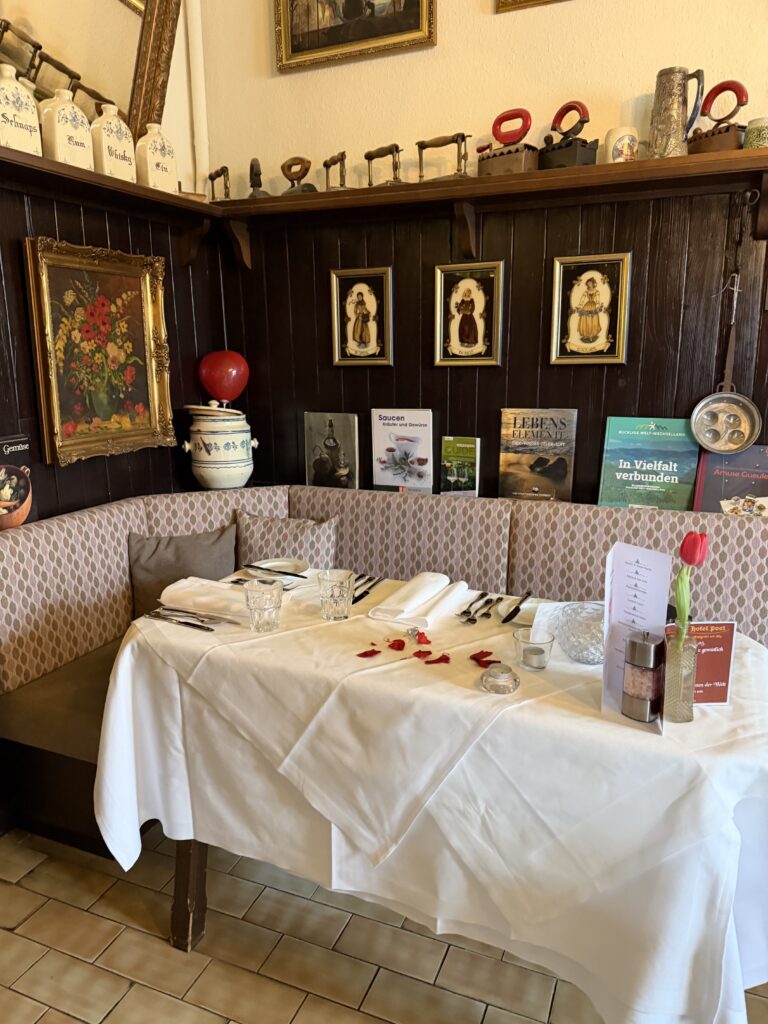
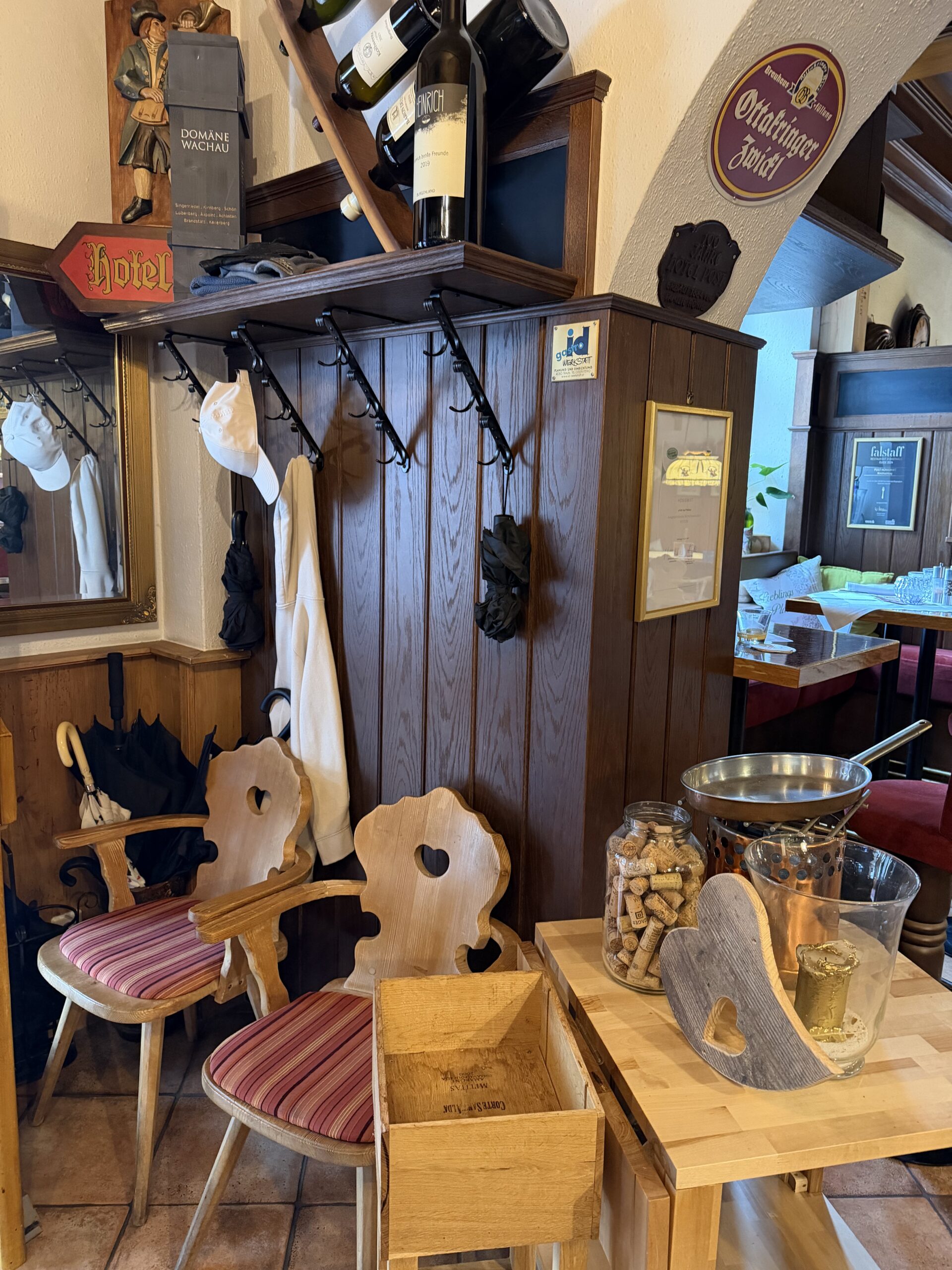
    İçeri girer girmez anlaşılıyordu: burası yalnızca bir restoran değildi. Abajurların kanaviçe kılıfları, sabırla işlenmiş bir dua gibiydi. Duvarlarda asılı kara kalem portreler, eski fotoğraflar, ikonalar ve haçlar; porselen kek kalıpları, kupalar, cam şişeler… Alt raflarda kalın kapaklı, kuşe kâğıda basılmış gurme kitapları sıralanmıştı. Her biri, başka bir elin sıcaklığını, başka bir sofranın kahkahasını saklıyordu. Objeler suskun değildi; fısıldıyorlardı. Bir kadının sabah erken saatte hamur yoğururkenki iç çekişini, bir askerin dönüşünü, bir çocuğun ilk lokmasını anlatıyorlardı.

    Masalar taze kırmızı lalelerle süslenmişti. Çiftler özenle giyinmişti; kimilerinin ellerinde çiçek buketleri vardı. Fakat asıl çiçek, gözlerinde açıyordu. Konuşmalar alçak sesliydi; kelimeler birbirine çarpmıyor, nazikçe yan yana yürüyordu. Ortama hâkim olan o mırıltı—arada çatal bıçakların porselene değen ince sesiyle bölünen—yaşayan ama sakin bir melodiydi. En sevdiğim türden bir ses: hayatın kendisi, fakat bağırmadan; varlığını ilan etmeden, sadece var olarak.

    O an, zamanın düz bir çizgi olmadığını hissettim. Sanki bulunduğumuz masa, yüzyıllar boyunca aynı yerde durmuş; aşklar değişmiş ama masa örtüsündeki kırışıklık aynı kalmıştı. Belki bir başka Sevgililer Günü’nde, başka bir çift burada ilk kez el ele tutuşmuştu. Belki bir başkası, sessizce vedalaşmıştı. Mekân, hepsini saklamıştı. Yargılamadan, unutmadan.

    Garson bey yemekleri getirirken gözlerindeki o ölçülü sıcaklık, buranın sadece işletilmediğini; korunduğunu gösteriyordu. Burası bir ticaret mekânı değil, emanet alınmış bir hafıza gibiydi. Her tabak, yalnızca lezzet değil, süreklilik sunuyordu.

    Sevgililer Günü’nün anlamı belki çiçeklerdeydi, belki hediyelerde. Ama o gün benim için anlam, o mırıltının içindeydi. Yaşayan ama sakin. Tarihin derinliklerinden gelir gibi. İnsan sesine karışmış yüzyılların soluğu gibi.

    Ve anladım: Bazı yerler yalnızca mekân değildir. Onlar, kalbin ritmini yavaşlatan, zamanı dizlerinin dibine oturtan sığınaklardır. O gün biz de o sığınağın bir satırı olduk. Çok eski bir kitabın, yeni yazılmış bir cümlesi gibi.

  • The Autumn Table: Lunchtime at Gmoa Keller

    Türkçe orijinal versiyon

    Vienna in November has a kind of quiet majesty — the air crisp, the light subdued, the city wrapped in a golden melancholy. The chestnut trees along the Ringstraße have shed most of their leaves, and in the soft chill of early afternoon, the promise of something warm and comforting feels almost sacred.

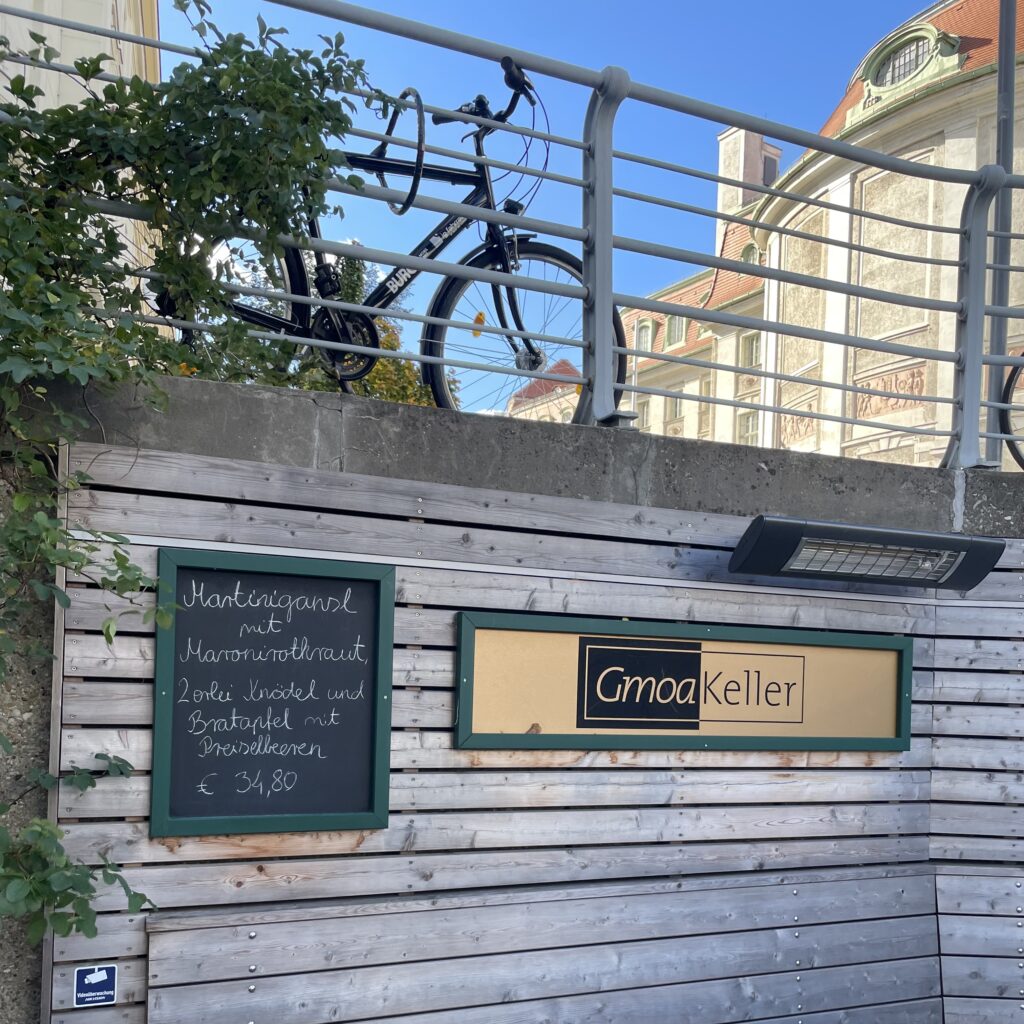
    That’s how we found ourselves stepping down the stone stairs into Gmoa Keller, one of Vienna’s old dining institutions tucked just off the Stadtpark. The name Gmoa comes from “Gemeinde” — meaning “community” — and this restaurant has always lived up to that spirit: a gathering place, a cellar full of voices and laughter, where the air hums with the simple pleasure of food shared in good company.

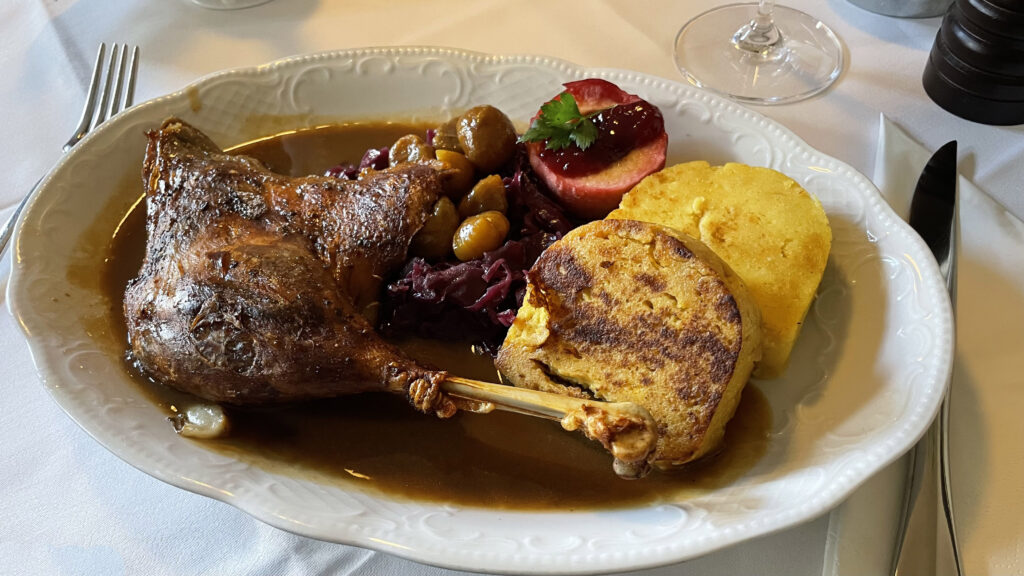
    Today’s meal was no ordinary lunch, but a celebration of a centuries-old tradition — the Martinigansl, or St. Martin’s goose. Each November, around St. Martin’s Day, Viennese tables are graced with this dish: a roast goose, its skin perfectly crisped to bronze, resting beside red cabbage, chestnut stuffing, and a spoonful of apple compote that tastes of autumn itself. It’s one of those meals that feels less like eating and more like participating in a quiet ritual of continuity.

    The story goes back to St. Martin of Tours, a humble man who, when the people wished to make him a bishop, tried to hide in a goose pen to avoid the honor. But the geese betrayed him with their loud cackling — and so, legend says, every year around November 11th, the tables of Central Europe remember both the saint and the birds with a feast. Over time, the Martinigansl became a symbol not only of piety but of the harvest, of giving thanks before the onset of winter.

    At Gmoa Keller, the goose arrives with quiet ceremony: the plate steaming, the aroma deep and inviting. The waiter places it gently before us — the sort of gesture that suggests reverence more than service. The first bite is everything Vienna does best: rich, balanced, and unhurried. The red cabbage carries a sweet whisper of cloves; the dumplings soak up the dark, glossy sauce; and each mouthful feels like an echo of generations who have sat at tables just like this one.

    There’s something about dining in Vienna that always feels like time itself slows down. Maybe it’s the way the wooden walls of old restaurants hold the warmth of countless evenings, or how conversations here seem to rise and fall like chamber music. Around us, the murmur of German, English, and Italian blends into a soft urban symphony. Someone orders another glass of Grüner Veltliner; the waiter nods knowingly.

    And outside, the city goes on in its graceful rhythm — trams rattling past the Opera, the gray sky turning gently toward twilight.

    As we finish the last of the goose, the last sip of wine, I think of how traditions like this one bind a city to its memory. The Martinigansl is more than a meal — it’s a taste of Vienna’s soul: generous, slightly nostalgic, steeped in history yet alive in every bite.

    When we step back out into the cold, the air feels sharper, the city quieter. The scent of roasted chestnuts drifts down the street. And for a fleeting moment, I feel part of the same timeless Vienna that hums softly beneath its surface — the Vienna of stories, of rituals, of warmth against the coming winter.

  • The first ‘Four Seasons Accordion’ concert resonated across Istanbul

    The magical sound of the accordion captivated audiences on both sides of Istanbul.

    The first edition of the ‘Four Seasons Accordion’ concert series recently took place, enchanting music lovers with two performances held on both the European and Asian sides of Istanbul. The concerts received great admiration from audiences of all ages.

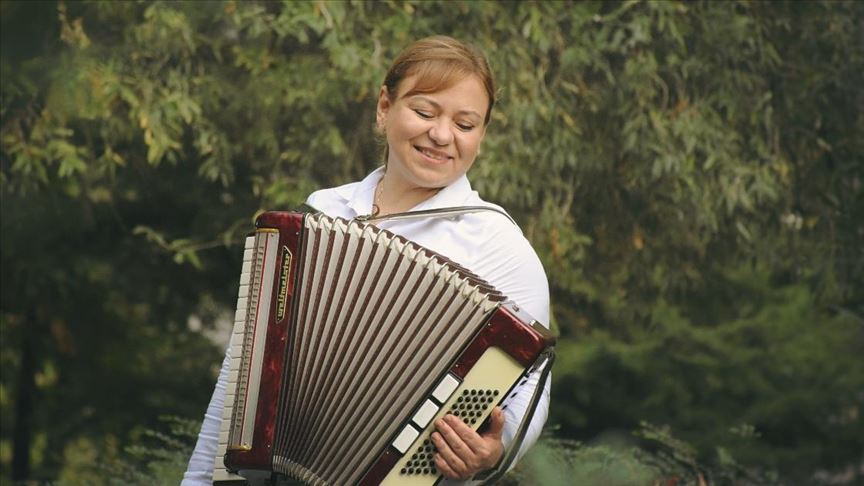
    The event began with an opening speech by Mirco Patarini, President of the International Confederation of Accordionists (CIA). The Beylikdüzü Youth Symphony Orchestra (Beylikdüzü Gençlik Senfoni Orkestrası – BGSO) with Conductor Tarık Tal then took the stage alongside master accordionists Mirco Patarini and Bulgarian musician Angel Marinov, delivering a breathtaking performance that brought the spirit of the project to life.

    During the concert, painter Şerivan Tutuş created live artwork inspired by the music, transforming the magical atmosphere of the event into visual art on her canvas. Guest accordion students from Vienna also joined the performance, adding an international dimension to the concert and strengthening the project’s global vision.

    Before the event, Beylikdüzü Deputy Mayor Mr. Önder Serkan Çebi and Director of Cultural Affairs Mrs. Mehtap Karataş welcomed project coordinator Zekiye Yılmaz, along with the distinguished musicians Mirco Patarini and Angel Marinov, to discuss the project and its objectives.

    Bringing together artists from diverse cultural backgrounds, the ‘Four Seasons Accordion’ project was praised for its mission to create a universal musical language and promote sustainability in musical performance and collaboration.

    The purpose and philosophy of the ‘Four Seasons Accordion’ can give you more details about the project itself.

    An interview to Apaçık Radyo was given and is available as well.

    This article was also published on Accordions Worldwide.

  • Back to Vienna

    Türkçe orijinal versiyon

    There’s a moment when the plane touches down at Vienna International Airport, a quiet exhale, a sense of returning not just to a place, but to a rhythm. The rhythm of clinking porcelain, the low hum of conversation, the rich perfume of roasted beans curling through the air. After days wandering the lively, chaotic soul of Istanbul — with its swirling bazaars and calls to prayer echoing over the Bosphorus — Vienna feels like slipping back into a familiar dream, one composed of velvet calm and deliberate pauses.

    A few hours later, I find myself on Gumpendorferstraße, at phil, a café-bookstore hybrid that feels like the living room of an old friend who happens to have exquisite taste in both coffee and vinyl. Books lean casually against the walls, jazz murmurs softly through the space, and there’s that unmistakable golden Vienna light filtering through the front windows. On the small silver tray before me: a Wiener Melange, a glass of water, a spoon laid just so — the essence of Viennese café culture distilled into a ritual of simple perfection.

    The Melange is more than a coffee; it’s a story in a cup. Legend has it that the drink was born from the city’s long love affair with coffee, which began in the late 17th century after the Ottoman retreat from Vienna. According to one oft-told tale, sacks of unfamiliar dark beans were left behind, and a certain Franz Georg Kolschitzky, who had lived in Istanbul, recognized their worth. He opened Vienna’s first coffeehouse and sweetened the strong brew with milk and honey — a gesture that softened the exotic bitterness into something distinctly Viennese: refined, balanced, and endlessly civil.

    At phil, the Melange arrives with that same old-world grace. The milk foam wears a heart-shaped swirl — a tiny flourish of care — and as I lift the cup, I think of how the city has perfected this art of lingering. In Istanbul, coffee is fortune and fervor, thick as a story told by a grandmother. In Vienna, it’s introspection — a slow, elegant pause between thoughts. Here, one doesn’t drink coffee so much as inhabit it.

    The contrast between the two cities lingers on my tongue: the spice of Turkish coffee, gritty and bold, against the velvet gentleness of the Melange. One is a declaration; the other, a sigh. Yet both share an understanding that coffee is not a beverage but a mirror — reflecting the culture that brews it.

    Around me, Vienna hums softly through the café’s window: cyclists gliding down narrow streets, the sound of church bells blending with the faint rattle of a tram. I sip, and time folds in on itself. Maybe it’s the caffeine, maybe it’s nostalgia, but I feel that peculiar Viennese melancholy the locals call Wiener Schmäh — a sweetness tinged with sadness, the poetry of returning and knowing you’ve changed.

    I finish the Melange slowly, letting the last warmth fade on my tongue. The glass of water beside it, clear and bright, is a quiet nod to the old coffeehouse etiquette — a small courtesy reminding you to linger a little longer, to think, to write, to simply be.

    Back in Vienna, everything feels both eternal and ephemeral — like the foam heart dissolving into the coffee below it. And as I set down the empty cup, I realize that this city, with its patient rituals and gentle tempo, is the perfect place to begin again.

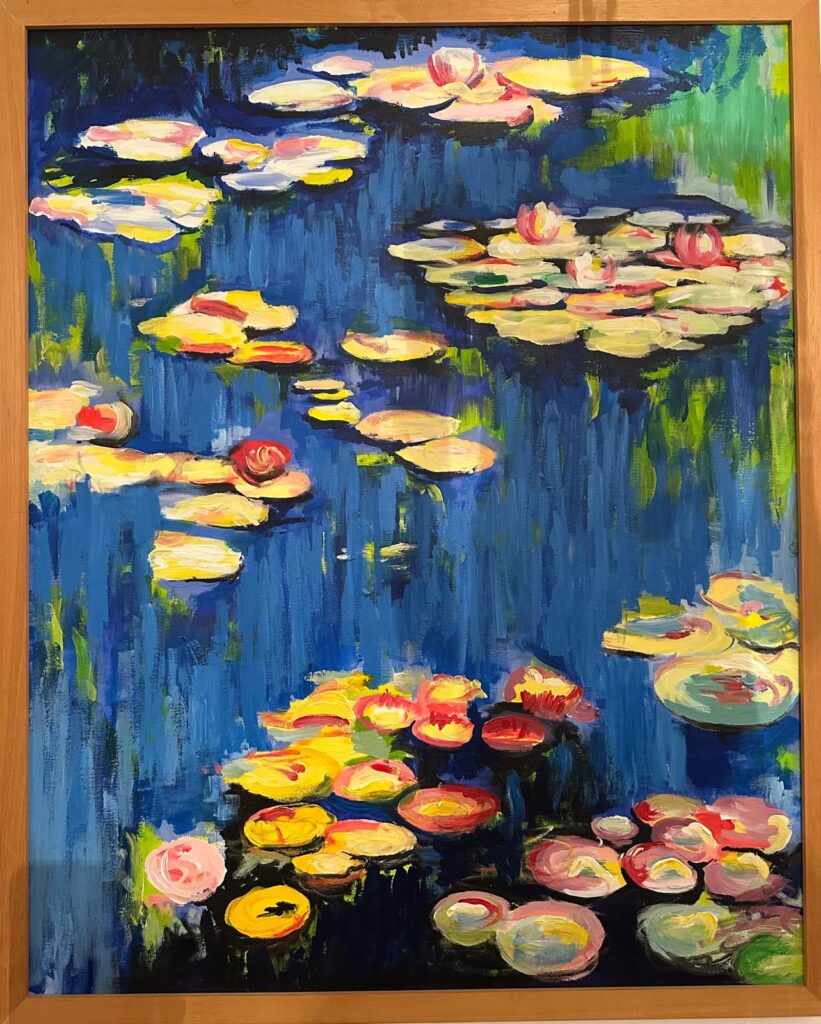
  • Водните лилии на забравеното време

    English version

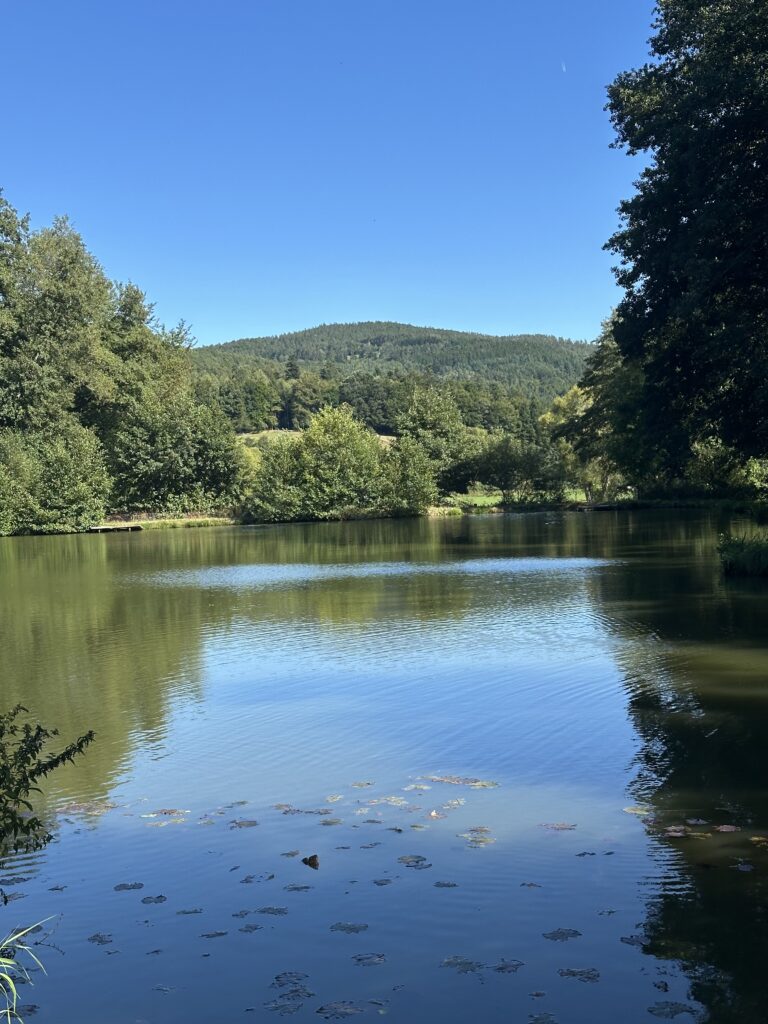
    Езерото се простираше като огледало на безкрая. По повърхността му танцуваха водни лилии, носещи спомени за светове, които никой вече не помнеше. Жълти, розови, червени – цветовете им изпъкваха в меката светлина на залеза. Времето сякаш се разтваряше в самата вода.. 

    Един ден, скитникът дойде край езерото. Той бе човек без име, без минало, само с мъгливи спомени, които се разливаха като водните отражения. Наведе се и погледна във водата, но вместо лицето си видя нещо друго. Видя себе си, но не като човек, а като една от лилиите – нежна, плаваща, вечна.”Какво съм аз?”  прошепна той.

    Вятърът отвърна с песента на водата. Всяка лилия беше мисъл, всеки цвят  спомен, всяка сянка – забравено време.

    Cкитникът усети нещо повече. Душата му трептеше с  дълбок чист тон като камертон, който настройва реалността. Този тон не беше нито тъжен, нито радостен, а чист израз на съществуването. Сега разбираше,че животът не бе история, която започва и завършва, а мелодия, която резонира в безкрая.

    Ако душата на всеки имаше свой тон, значи светът бе симфония. Някои тонове се преплитаха в хармония, други вибрираха в дисонанс, но всички бяха част от една всеобхватна музика. Скитникът осъзна, че неговият тон не се губи. Той се влива в езерото, във вятъра, в отраженията.

    Тогава разбра, че никога не бе човек. Никога не бе отделен. Винаги бе нота в песента на времето.

    The original article was published in the bghaber.org magazine.

  • Събота в Холентон

    На езерото в Холентон ден велик,

    купихме си риба Lachsforelle с блясък шик.

    Очите и гледат – “Ох, каква съдба”

    A ние си мислим “Ще падне голямя хапня, хахаха!”

    Ножовете блеснаха “дзинг дзинг” в ръце,

    семейният шеф Вики 

    крои кулинарно перце.

    Маринати, подправки, лимон за разкош,

    в кухнята става вълшебен кош!